
Punu · Gabon
Punu · 19th to early 20th century (traditional classical period of Gabonese tribal craftsmanship)
| Dimensions | Height 32.5 cm (12¾ in)Width 23 cm (9 in)Depth 16.5 cm (6½ in) |
|---|---|
| Country | Gabon The Punu cultural heartland spans the southern regions of Gabon, primarily along the valleys of the Ngounié and Nyanga rivers. |
| Tribe / Culture | Punu The Punu people belong to a prominent Central African ethnic group renowned for their exceptional mastery of wood carving, graceful artistic traditions, and distinctive ancestral heritage originating from southern Gabon. |
| Age / Period | 19th to early 20th century (traditional classical period of Gabonese tribal craftsmanship) 19th to early 20th century (traditional classical period of Gabonese tribal craftsmanship) |
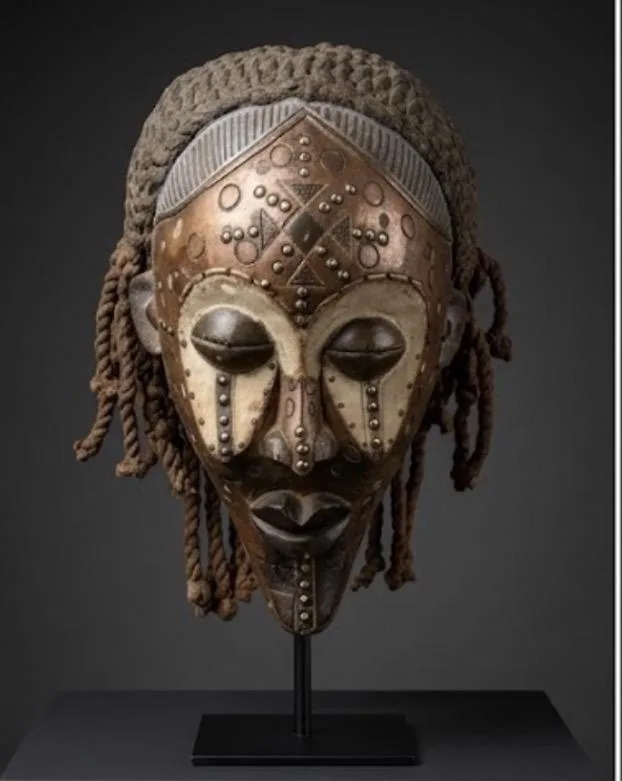
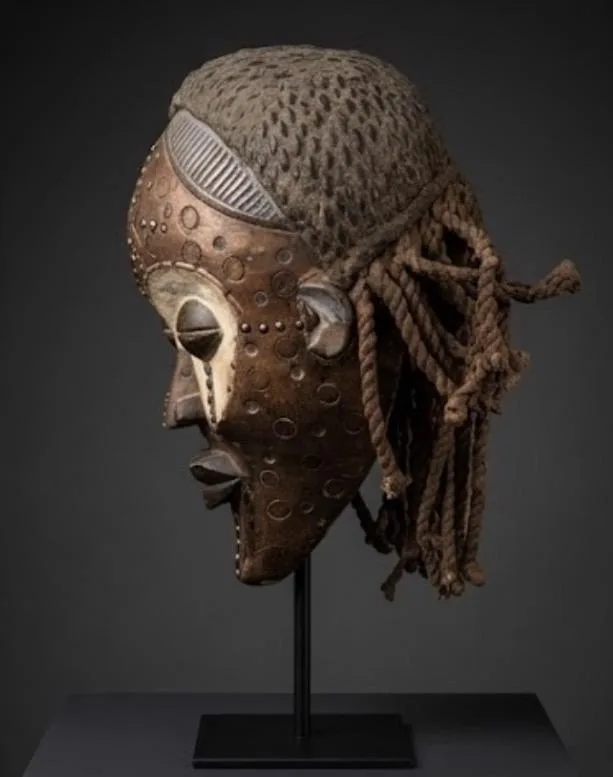
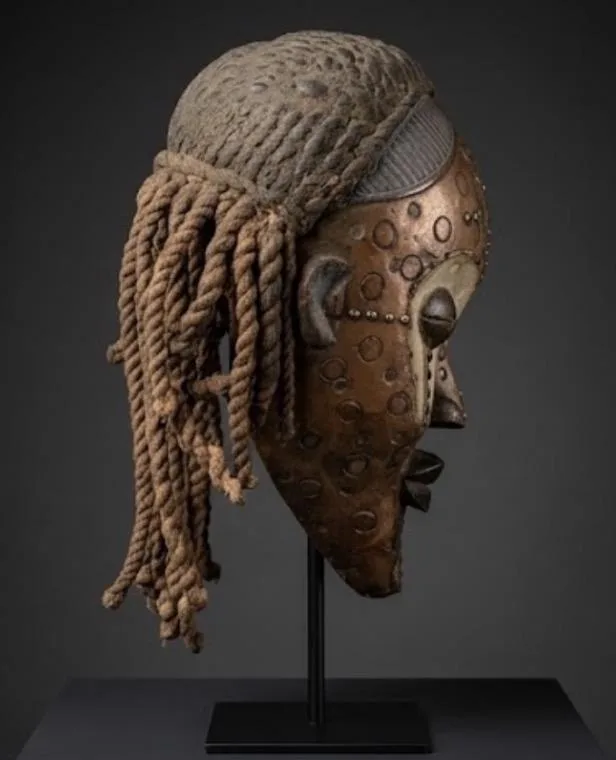
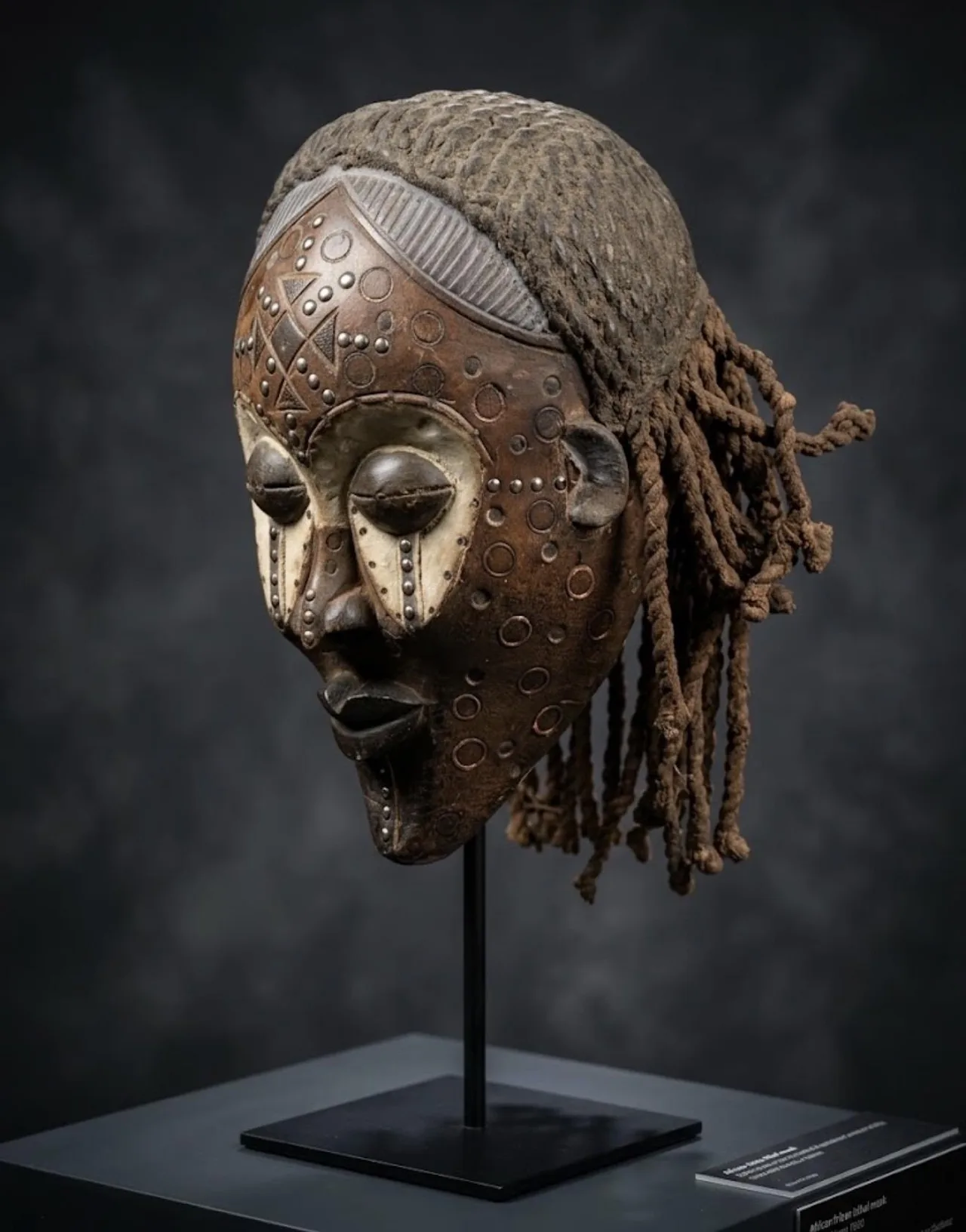
The mask serves as a physical medium for the peaceful spirits of revered ancestors, embodying the idealised standards of feminine beauty, moral rectitude, and spiritual grace within the community. The serene, downcast expression symbolises modesty, inner wisdom, and calmness, while its presence during sacred funerary rites and dynamic stilt-dance ceremonies bridges the mortal realm with the divine afterlife to bless and protect the living.
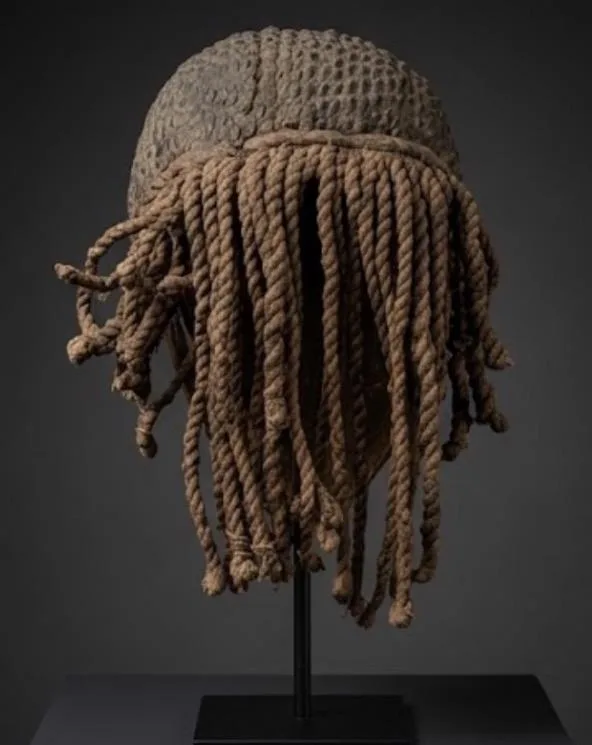
Characterised by a serene white face (painted with kaolin pigment symbolising peace and the afterlife), finely arched eyebrows, downcast slit eyes, traditional scarification marks (such as the diamond-shaped Boule motif on the forehead), and a sophisticated, multi-lobed braided coiffure.
Punu · Gabon

Punu · Democratic Republic of the Congo
Punu · Democratic Republic of the Congo

Democratic Republic of the Congo

Songye · Democratic Republic of the Congo

Songye · Democratic Republic of the Congo